Lacanian psychoanalysis is a unique and transformative approach to understanding the unconscious mind and the structures that shape our experiences of self, relationships, and the world.
Rooted in the teachings of Jacques Lacan, a 20th-century French psychoanalyst, this practice emphasizes the role of language, desire, and the unconscious in human subjectivity. It invites you to explore not only what you say but how your words are structured by unconscious patterns that influence your life in profound ways.
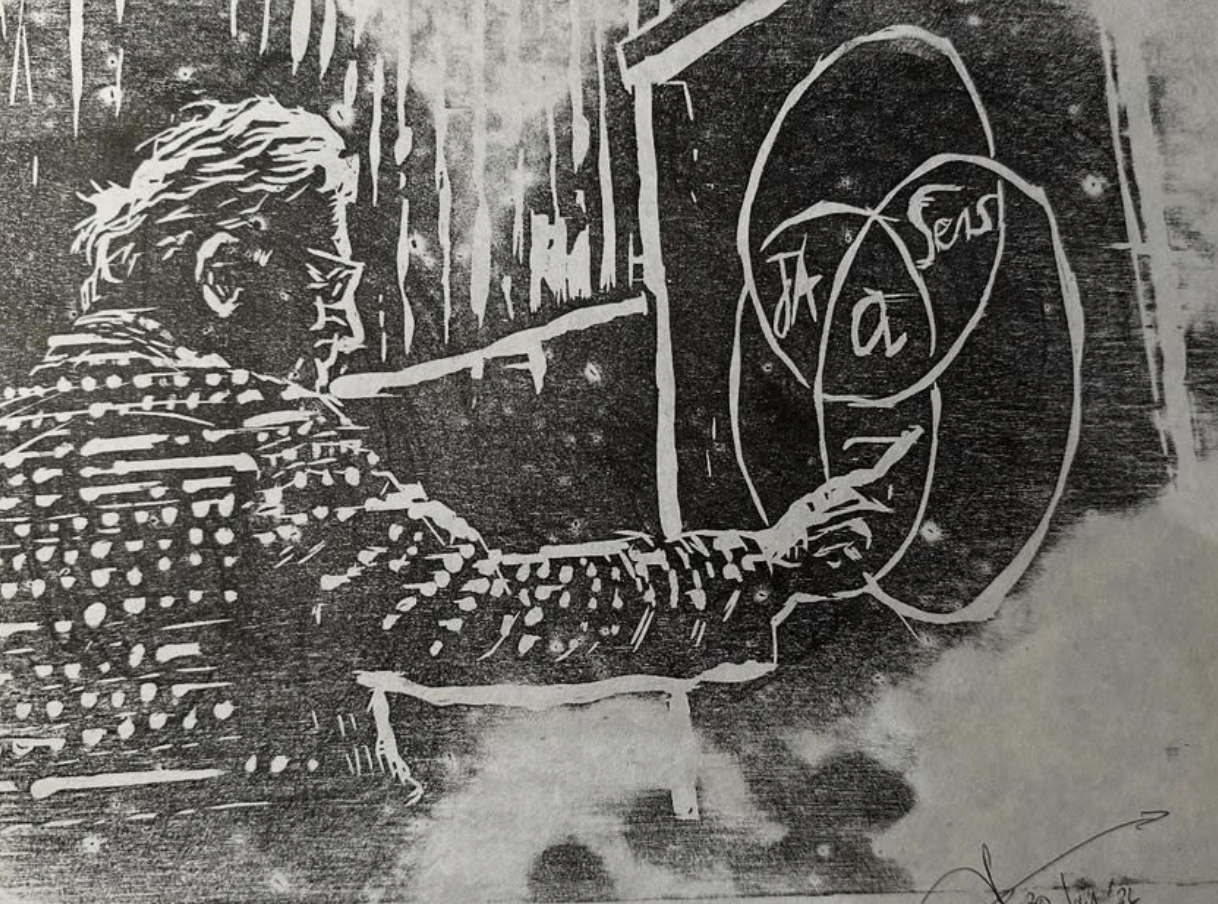
At its core, Lacanian psychoanalysis focuses on the singularity of your experience. Unlike approaches that emphasize diagnosis or standardized solutions, Lacanian analysis respects the complexity of your desires, anxieties, and symptoms. It provides a space to speak freely, without judgment, uncovering the deeper layers of meaning behind what might initially seem disconnected or unclear. Lacan famously stated, “The unconscious is structured like a language,” which means that your unique way of speaking—through words, dreams, slips, and silences—holds the key to understanding yourself.
Lacanian Psychoanalysis Today
Today, Lacanian psychoanalysis is a thriving and evolving field of thought and clinical practice. While Jacques Lacan’s teachings remain central, they serve as a foundation for an ongoing process of refinement, elaboration, and innovation. Psychoanalysts worldwide engage with his ideas, bringing fresh perspectives and applications that respond to the complexities of contemporary life. This continuous dialogue with Lacan’s work keeps the practice vital and relevant, ensuring it addresses the ever-changing nature of human subjectivity and societal challenges.
Practiced today by psychoanalysts around the globe, Lacanian psychoanalysis is marked by its openness to diverse applications and its commitment to the singularity of each individual. It is not confined to Lacan’s teachings alone but embraces the evolving contributions of analysts who have extended his ideas, enriching the field with new ways of thinking and practicing. Much of my own approach has been influenced by my own clinical formation at the Lacanian School of Psychoanalysis, analytic supervisions, personal analysis and the contemporary writings of Colette Soler, Serge André, Nester Braunstein, Roberto Harari, Juan-David Nasio, Luke Thurston and many others. In remaining anchored to its theoretical origins and adaptable to the unique needs of individuals in the today’s world, Lacanian Psychoanalysis is dynamic, ever evolving and remaking itself.
As the demands of contemporary life intensify—through globalization, artificial intelligence, social media, professional pressures, and societal upheavals—Lacanian psychoanalysis has seen a resurgence in interest. More and more people are seeking out Lacanian Psychoanalysis not only to address symptoms but to explore deeper questions of identity, meaning, and desire. Unlike short-term, symptom-focused approaches, Lacanian analysis takes a long-term view, offering a space to work through unresolved unconscious conflicts, gain an unconscious knowledge, and construct something different for one’s life through language itself.
Through sessions, the analysis respects the rhythms of your speech and the unexpected breakthroughs that occur when something vital is uncovered in the process of speaking. It offers a rare opportunity to step outside the fast-paced, outcome-driven culture of today and engage in a reflective process that values depth, difference, contradictions and the complexity of human experience.
Want to learn more?
Click here to learn more about free association and the couch.
Click here to learn more about interpreting dreams.
Click here to hear more about scansion.
You can email me directly through this page or leave a short voicemail to (341) 230-1740; I usually respond within 24 hours.