In psychoanalysis, the unconscious reveals itself in many ways—through slips of the tongue, the breaking off of speech that conceals or leaves something unsaid, errors in speech, gaps in memory, and even sudden flashbacks. Among these, the dream holds a special place. “The dream is an interpretation,” says psychoanalyst Willy Apollon.
As you may notice in analysis, dreams present another scene—filled with day residues and enigmas, often surreal, distorting time and space. Though they may contain contrasts, contradictions are inherent to dreams, and they do not necessarily follow linear logic.
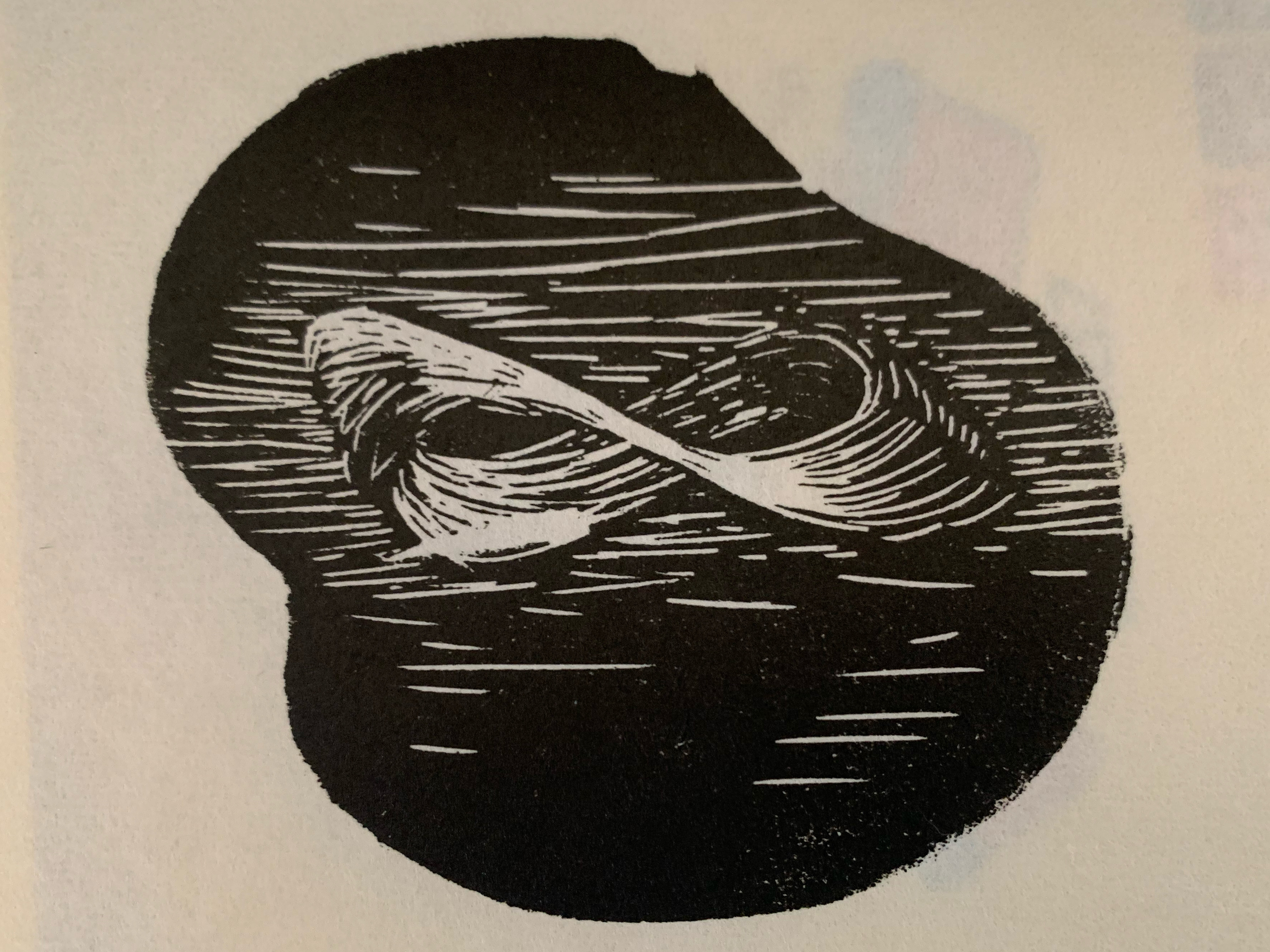
What makes dream speech transformational is that it offers access to an other scene—a place where something unspeakable or repressed may find symbolic form. In speaking or writing a dream, something shifts: what was unformulated begins to be put into words. The dream stages the subject’s desire, conflict, and division in a way that bypasses rational defenses. In tracing the details—an image, a pun, a displacement—dream speech can touch what has no place in the ego’s narrative. This encounter can unsettle, surprise, even reorient.
In this sense, dream speech doesn’t explain the unconscious—it lets it speak. Over time, what is repeated in dream after dream may come to signify differently, revealing an unconscious logic at work and opening oneself up to a new relation with one’s own unconscious desire, symptom, or history. Sigmund Freud famously called dreams “the royal road to the unconscious”—a privileged scene where another kind of logic may be discovered, and where, through analysis, one may encounter a radical otherness that was previously unknown yet intimately one’s own.
Want to learn more?
Click here to learn more about Lacanian Psychoanalysis
Click here to learn more about free association and the couch.
Click here to hear more about scansion.
You can email me directly through this page or leave a short voicemail to (341) 230-1740; I usually respond within 24 hours.